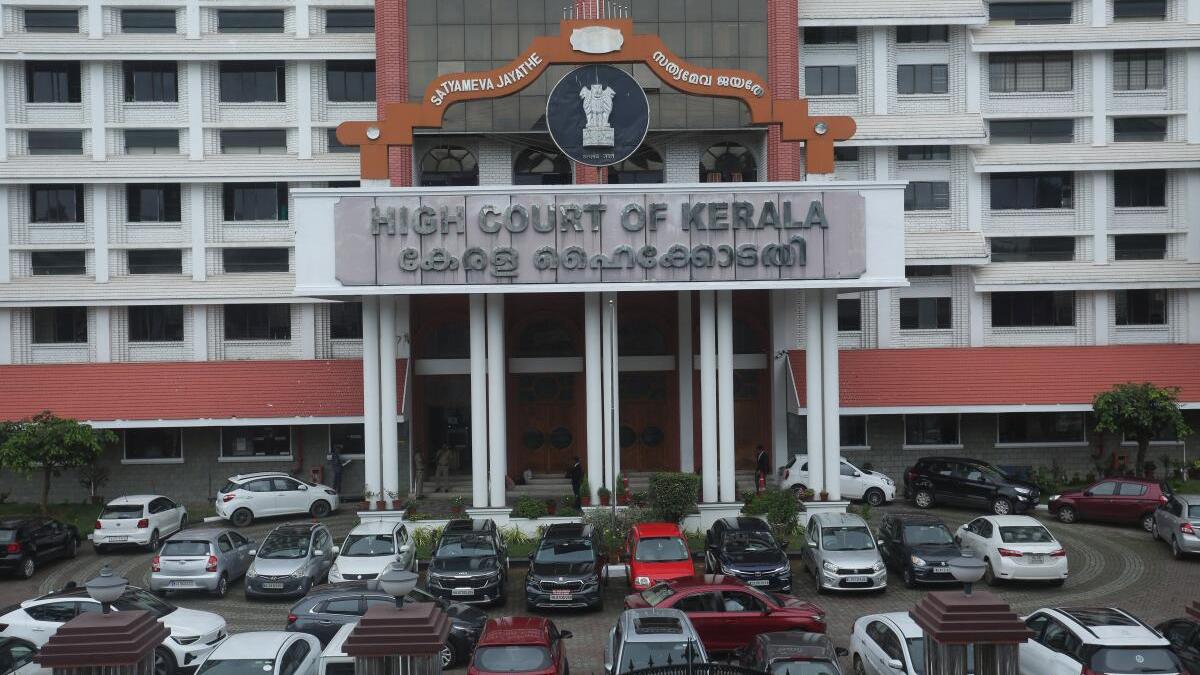
The Kerala High Court has observed that protecting witnesses is not just a question of individual security but a necessary condition for the effective administration of justice. A Division Bench of Justices Raja Vijayaraghavan and K.V. Jayakumar held that a system that expects witnesses to come forward and assist investigations must also guarantee their safety, according to the order.
The observation came while the court granted bail to a Sri Lankan national, Muhammed Asmin, who had turned approver in an alleged transnational conspiracy to revive the banned Liberation Tigers of Tamil Eelam (LTTE) through drugs and arms trafficking. The matter came to light when 300 kg of heroin, AK-47 rifles and 1,000 rounds of ammunition were seized. Mr. Asmin was accused of facilitating the movement of drug consignments, handling proceeds of unlawful transactions through hawala channels and converting the proceeds of crime into cryptocurrency.
The court noted that Mr. Asmin had spent four years as an undertrial and that continuing his incarceration would be unjust, given that the NIA Special Court in Chennai had earlier granted him a pardon after he agreed to cooperate with the investigation and disclose all he knew about the alleged offences and other accused. The Special Court had refused bail, holding that continued custody of an approver would protect him from possible reprisals by former associates and keep the course of justice unpolluted. The High Court clarified that the Special Court was not justified in rejecting bail by citing a rule that did not apply to him under the Code of Criminal Procedure, and that the fundamental rights of an accused must be protected when a trial is prolonged.
The High Court directed that the Kerala Witness Protection Scheme be implemented without delay to provide security to witnesses as envisioned under the Bharatiya Nagarik Suraksha Sanhita (BNSS), noting that a draft Scheme is under consideration by the State government. It observed that Mr. Asmin should be considered for protection under the Scheme, in view of his role as an approver and his decision to assist the prosecution by giving evidence against the other accused.